

8 Days 7 Nights
Daily Tour
Unlimited
___
| Shimla to Shimla (Tripple Sharing) | ||
|---|---|---|
| ADULT | CHILD | INFANT |
| ₹14,999.00 | ₹0.00 | ₹0.00 |
| Shimla to Shimla (Double Sharing) | ||
| ADULT | CHILD | INFANT |
| ₹15,999.00 | ₹0.00 | ₹0.00 |
| Dehli to Delhi (Tripple Sharing) | ||
| ADULT | CHILD | INFANT |
| ₹16,999.00 | ₹0.00 | ₹0.00 |
| Dehli to Delhi (Double Sharing) | ||
| ADULT | CHILD | INFANT |
| ₹17,999.00 | ₹0.00 | ₹0.00 |
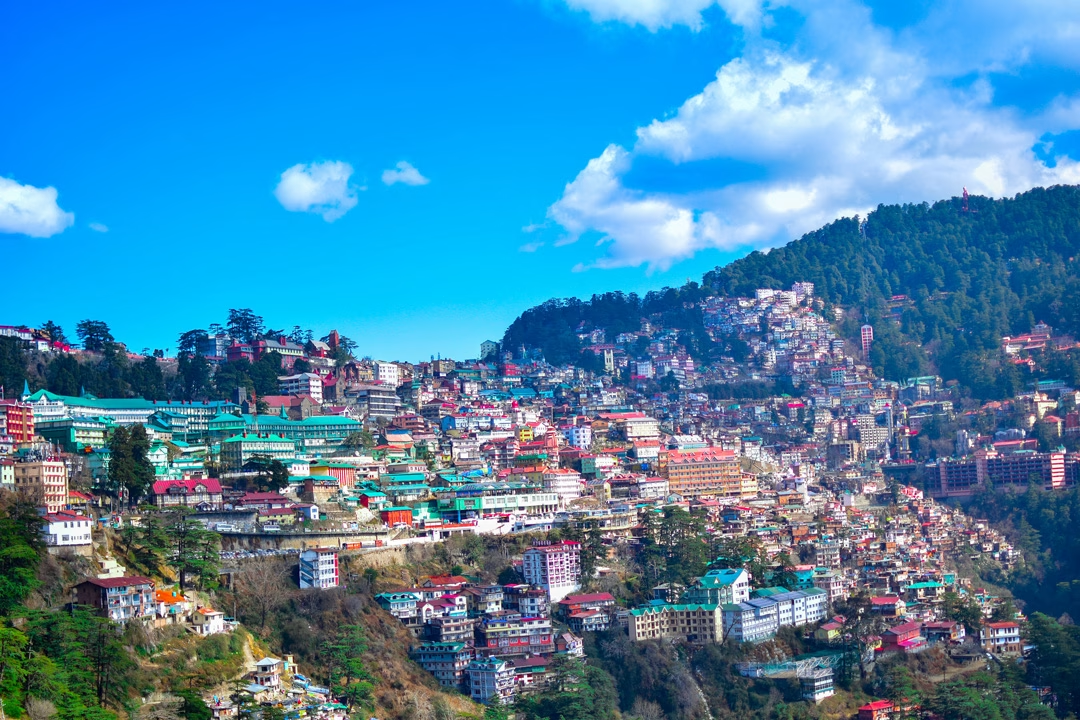
Dist: 347 km | Time: 7 to 8 hr | Altitude: 239 to 2270m
You will start your journey by a Volvo bus or cab from Delhi late at night. After 7 to 8 hours through the beautiful valleys of Himachal Pradesh, you will reach Shimla the following day.
Meals: Nil
Night: Journey by Volvo Bus or Cab
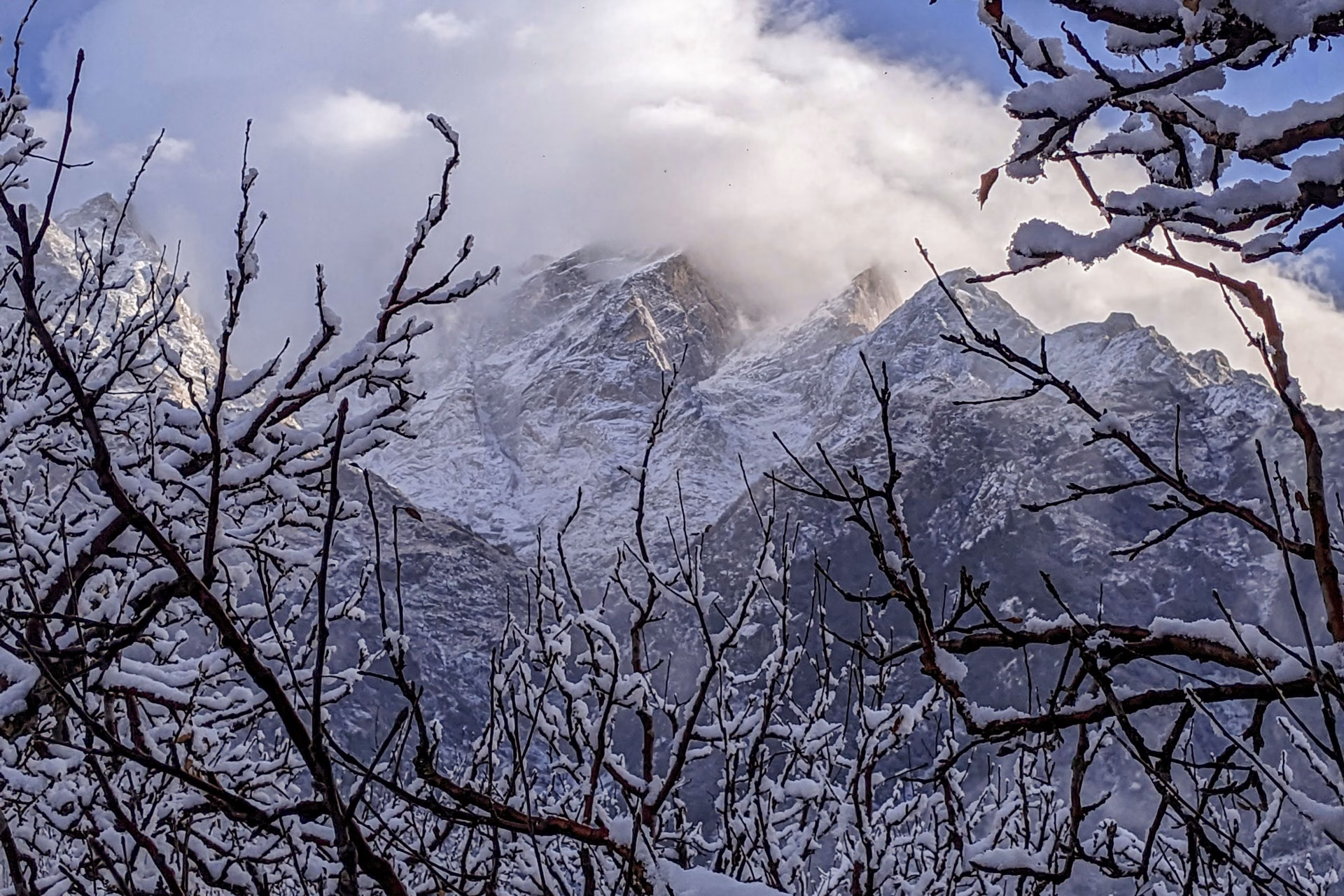
Dist: 220km | Time: 7 to 9 hr | Altitude: 2270m to 2630m
After reaching Shimla, you will drive towards Sangla/Rakcham via Rampur and Karcham. In the evening, you'll check into your hotel in Sangla or Rakcham and then head out to visit Chitkul, the last village in India.
Meals: Dinner
Night: Stay at Homestay/Hotel in Sangla/Chitkul
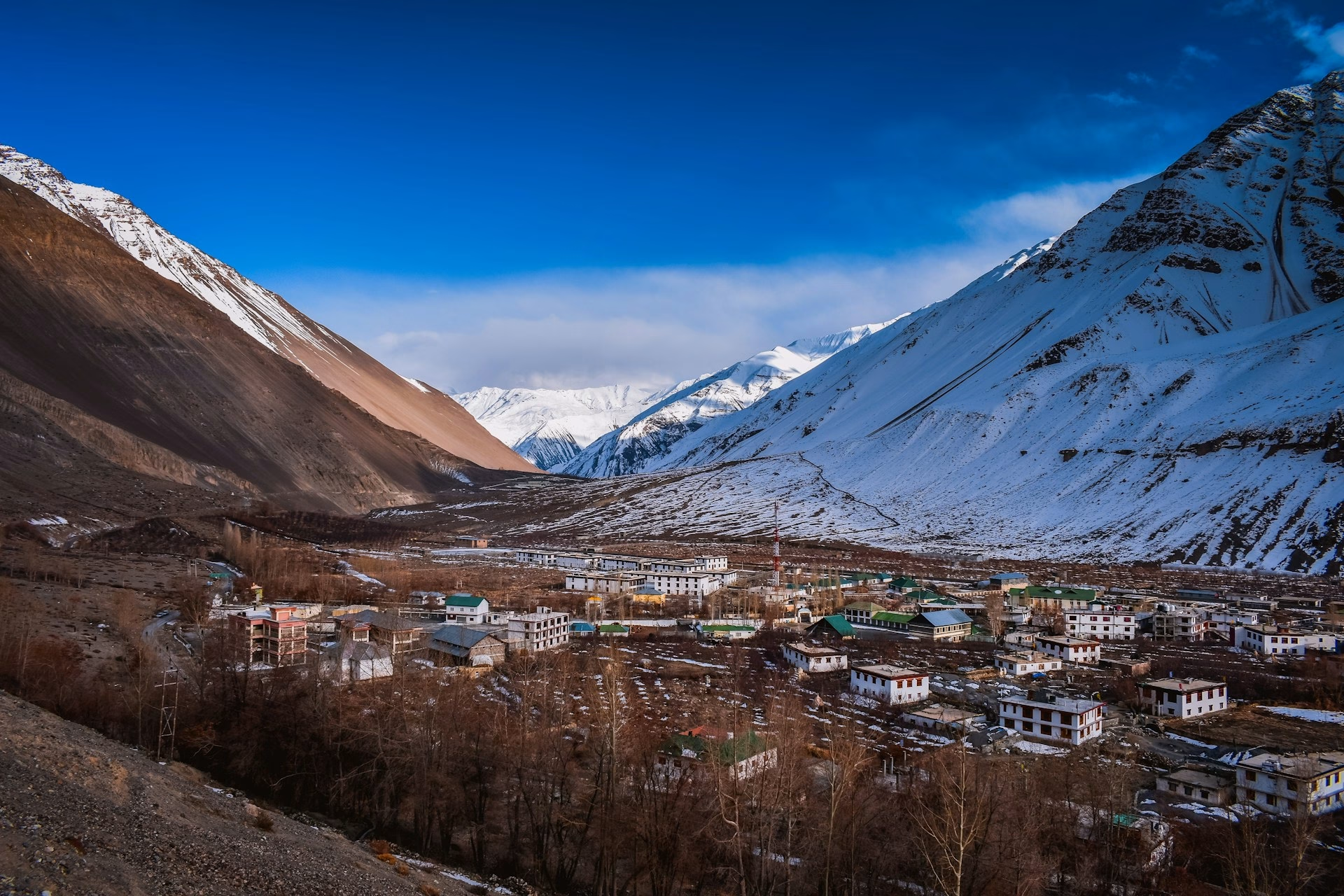
Dist: 90km | Time: 7 to 10 hr | Altitude: 2630m to 3280m
After having a delicious breakfast, you will leave for Tabo. You will stop at Nako Village for lunch (at your own expense) and then visit Nako Lake. Later, you will stop near Khab Sangam. In the afternoon, you will drive towards Tabo, spend the night there, and then continue in the evening.
Meals: Breakfast and Dinner
Night: Stay at Homestay in Tabo
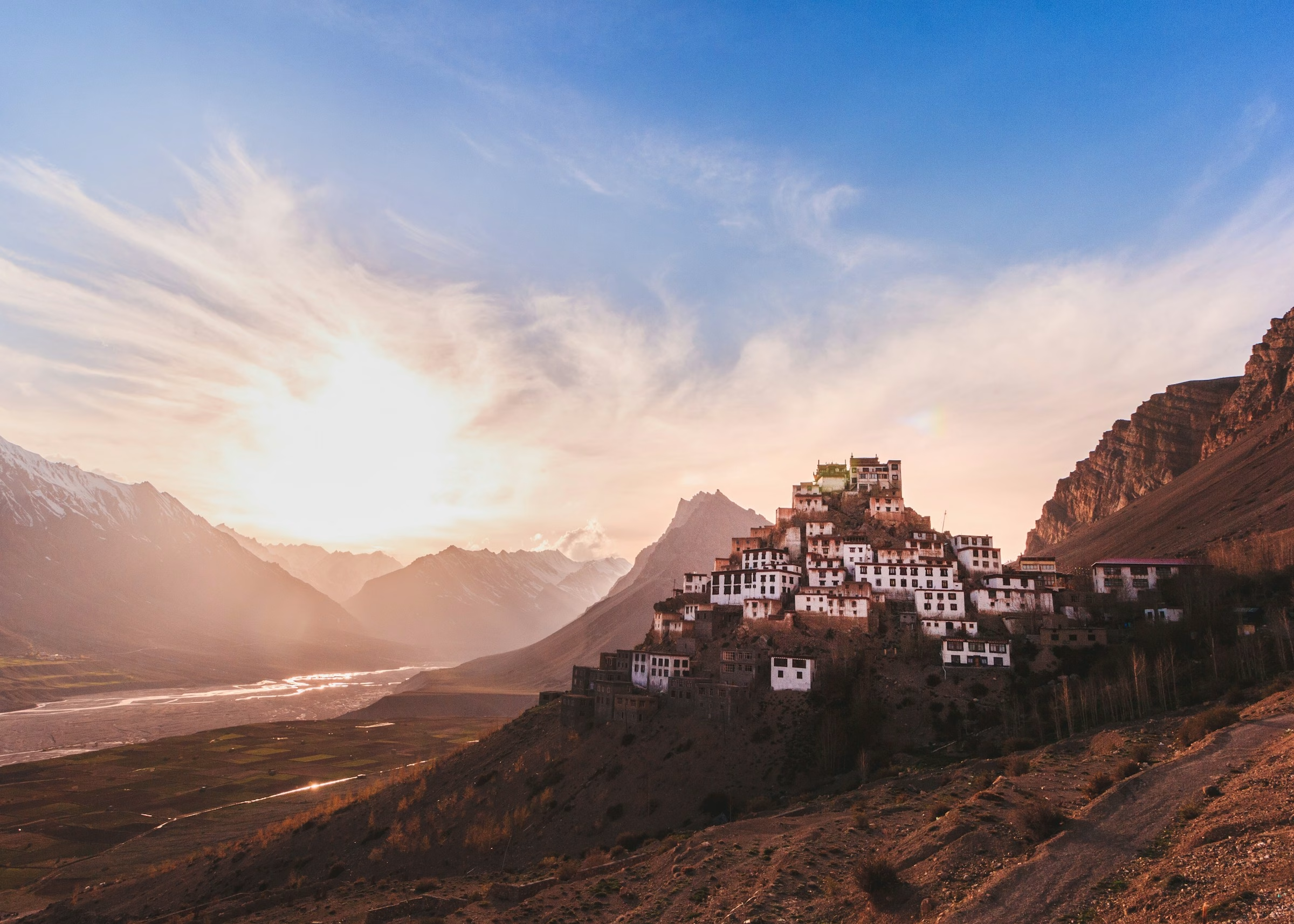
Dist: 50km | Time: 7 to 10 hr | Altitude: 3280m to 3800m
After breakfast, you will leave for Kaza. On the way, you will visit Dhankar Monastery and Lingti Waterfall. After reaching Kaza in the evening, you will check into your homestay or hotel.
Meals: Breakfast and Dinner.
Night: Stay at Hotel/Homestay in Kaza
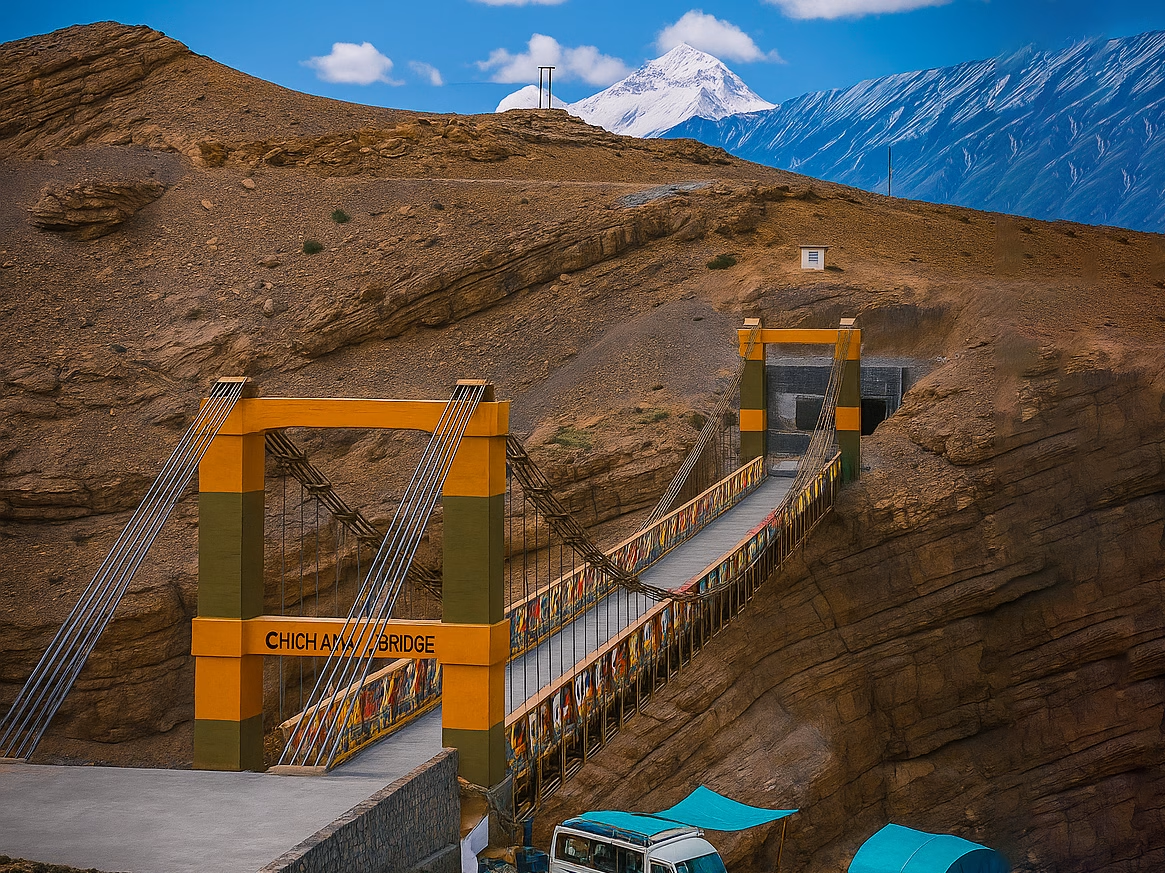
Dist: 50km | Time: 7 to 8 hr | Altitude: 3800m to 4590m
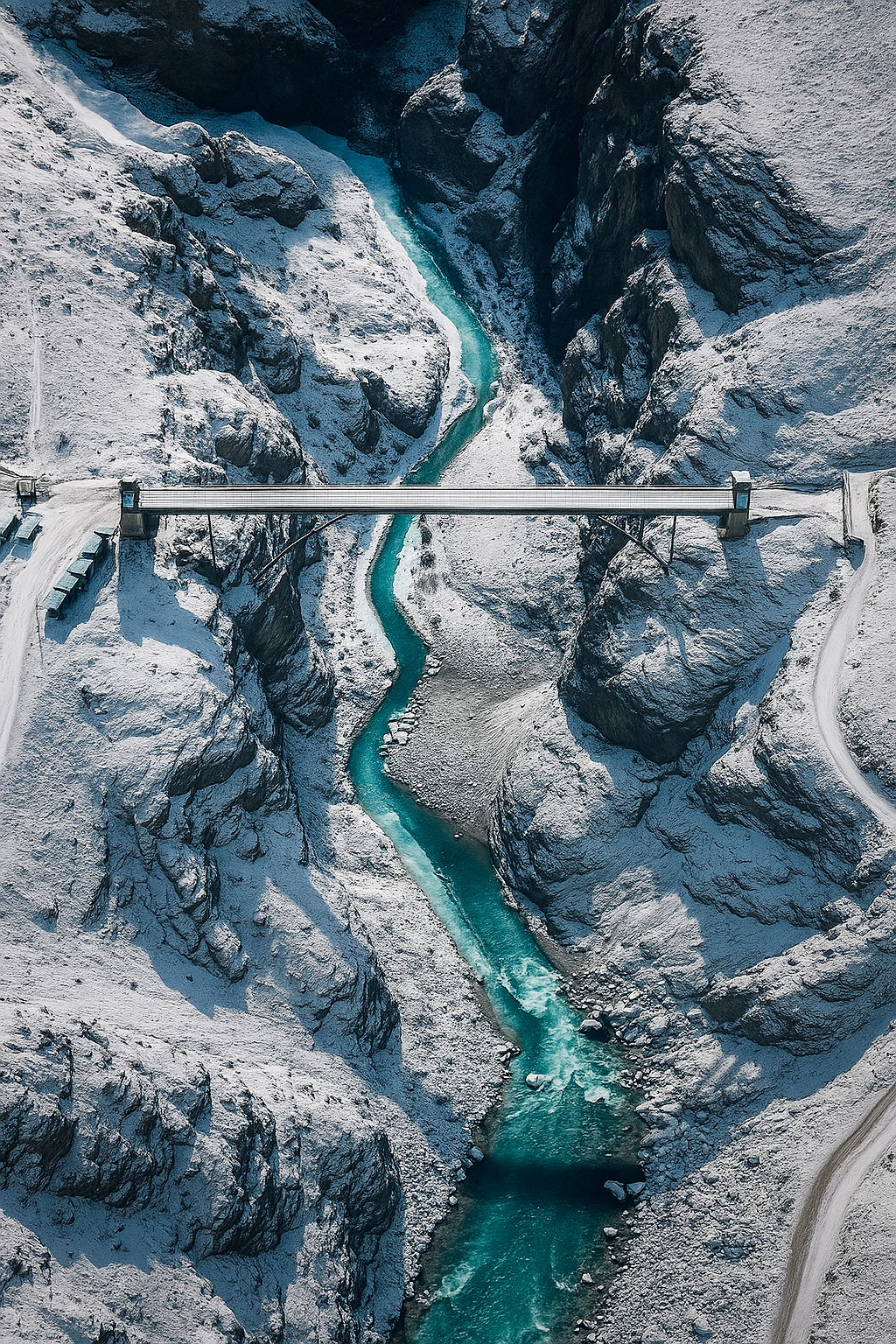
After breakfast, you will visit the famous Key Monastery and Chicham Bridge (Asia’s highest suspension bridge), Langza for the Buddha statue overlooking the valley, Komic, one of the most remote villages, and the highest post office in the world, Hikkim.
Meals: Breakfast and Dinner
Night: Stay at Hotel/Homestay in Kaza
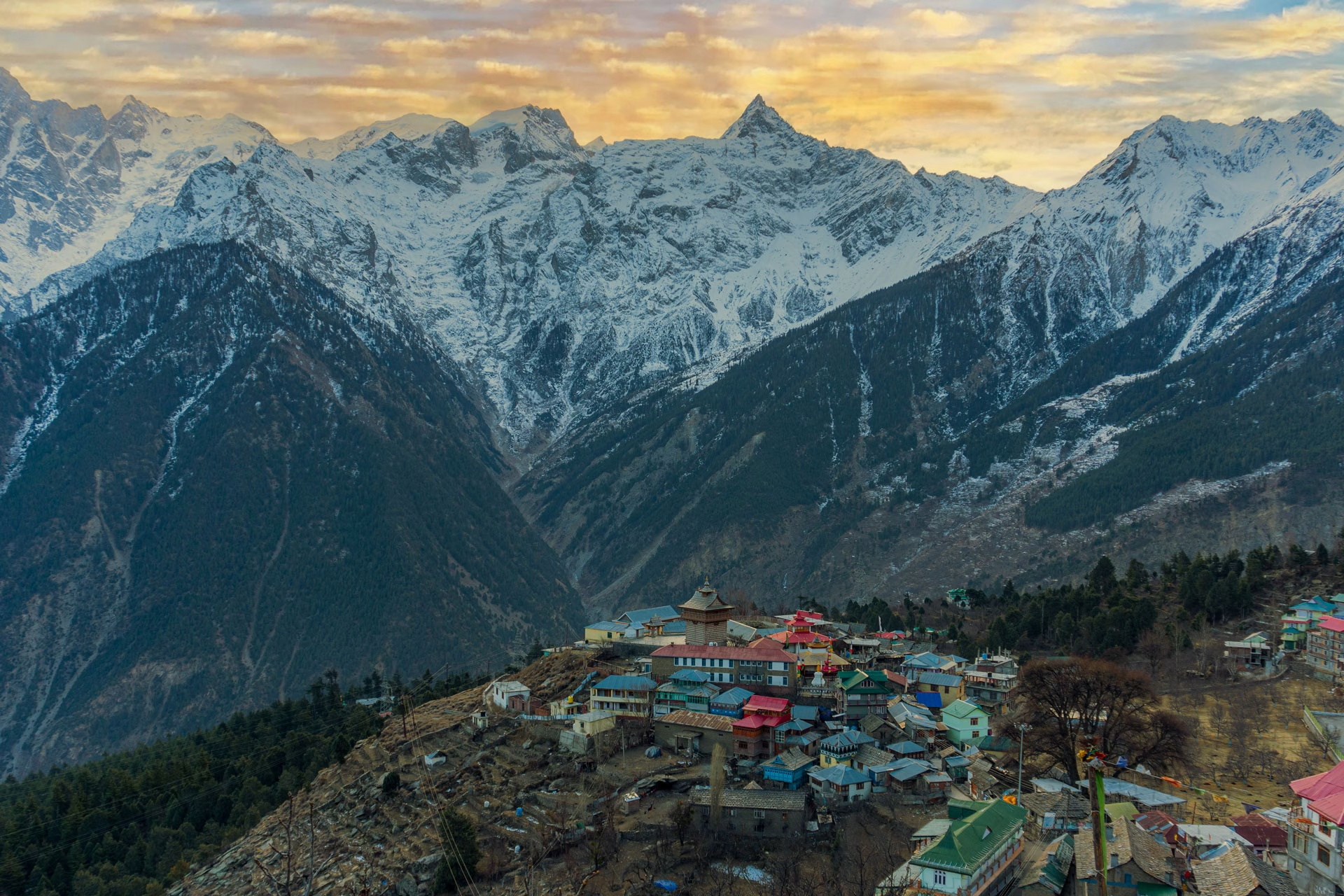
Dist: 267km | Time: 9 to 10 hr | Altitude: 3800m to 2960m
Today is a dedicated travel day, from the high altitude cold desert of Spiti to the lush, pine-clad mountains of Kinnaur. You will depart Kaza early, ensuring a comfortable arrival in Kalpa by late afternoon.
Meals: Breakfast and Dinner
Night: Stay at the Hotel in Kalpa
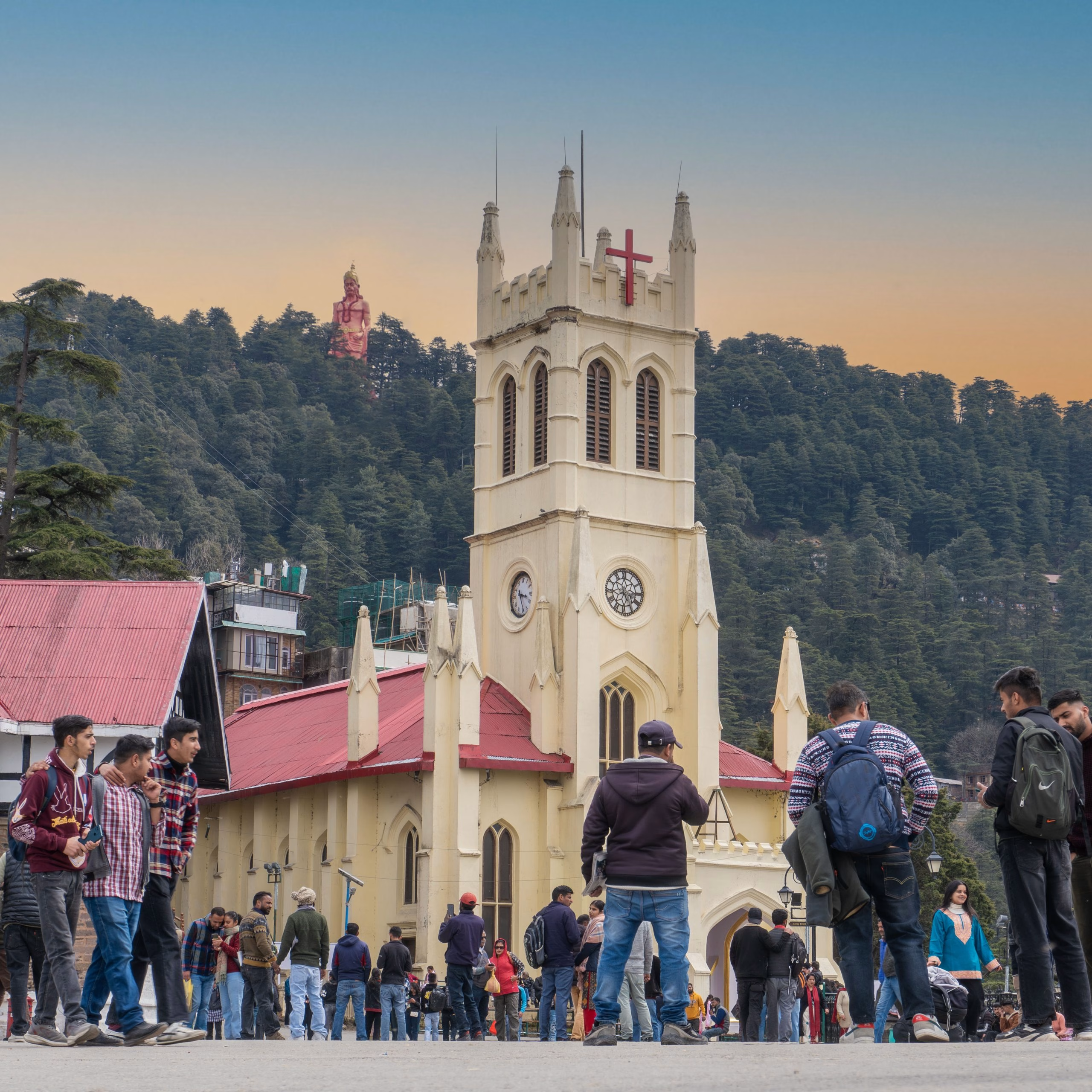
Dist: 324 km | Time: 7 to 10 hr | Altitude: 2960 m to 2276 m
Wake up with a view of Kalpa Valley. After having tea and breakfast, you will start driving back to Shimla. You will arrive in Shimla late in the evening, after which you can board your bus to Delhi or continue in a cab towards Delhi.
Meals: Breakfast
Night: Overnight Journey by Volvo Bus or Cab
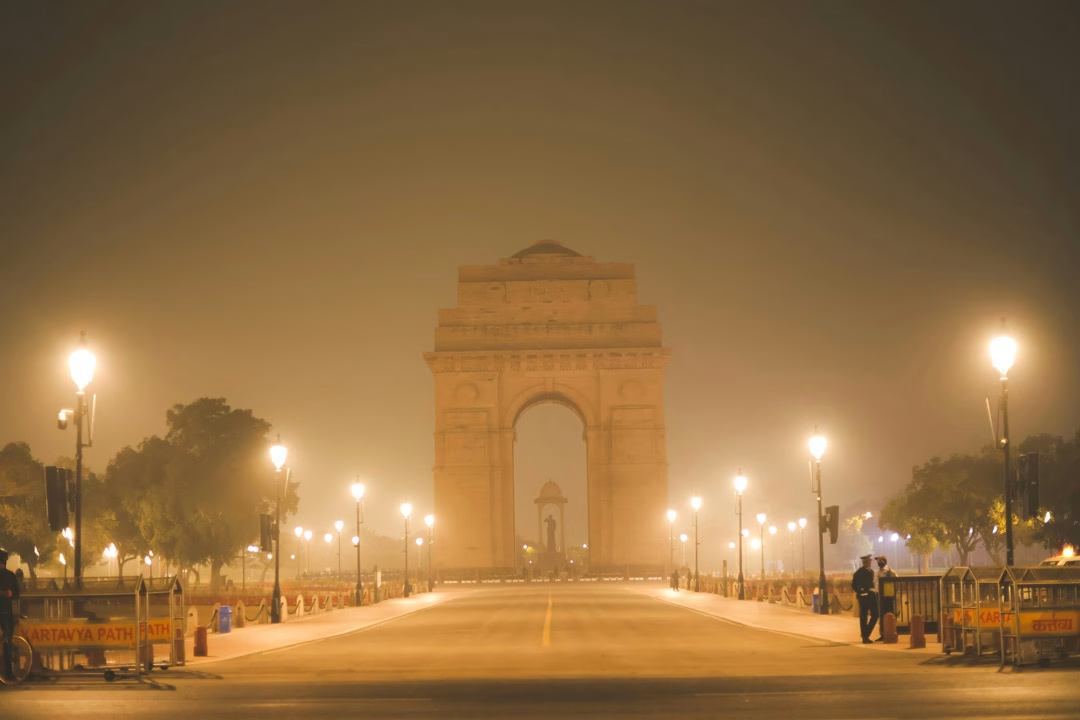
Dist: 347 km | Time: 7 to 8 hr | Altitude: 239 to 2270m
You will arrive in Delhi early morning, marking the end of your memorable trip amidst the cold desert of India. You will return with a treasure trove of memories and adventures to cherish forever.
Meals: NA
Night: NA
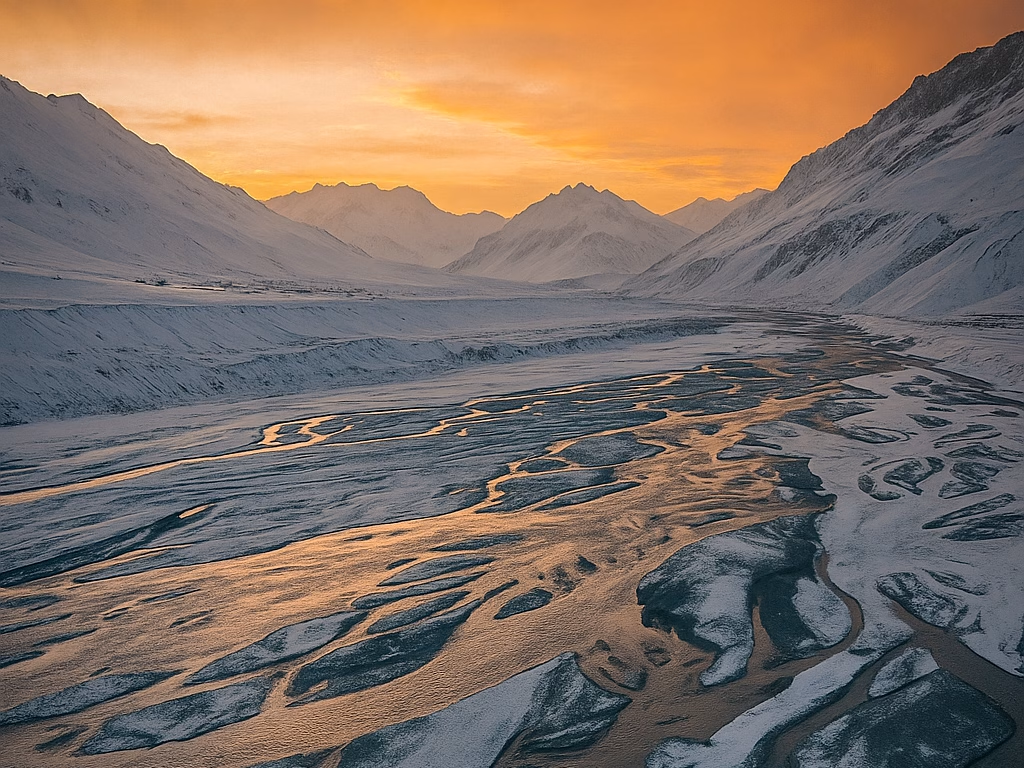
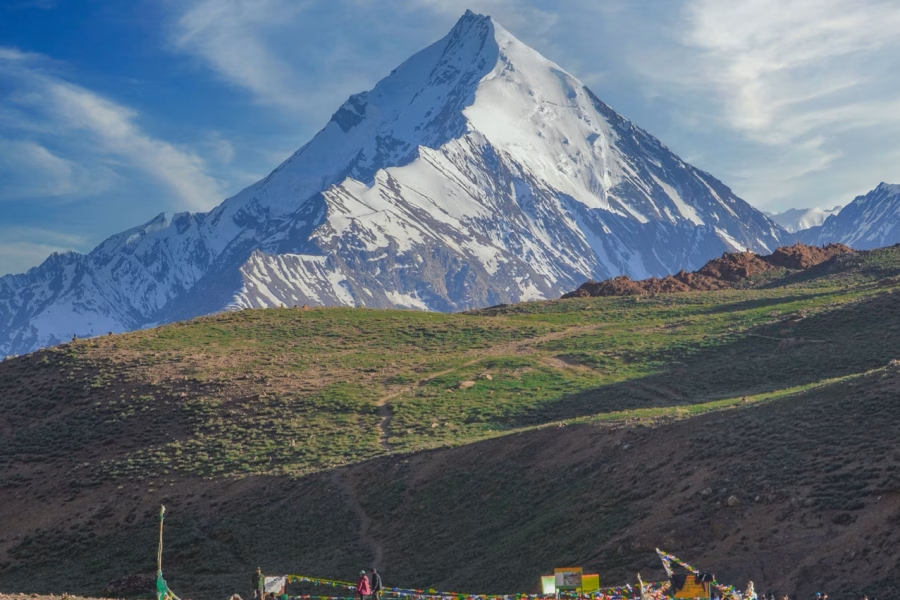
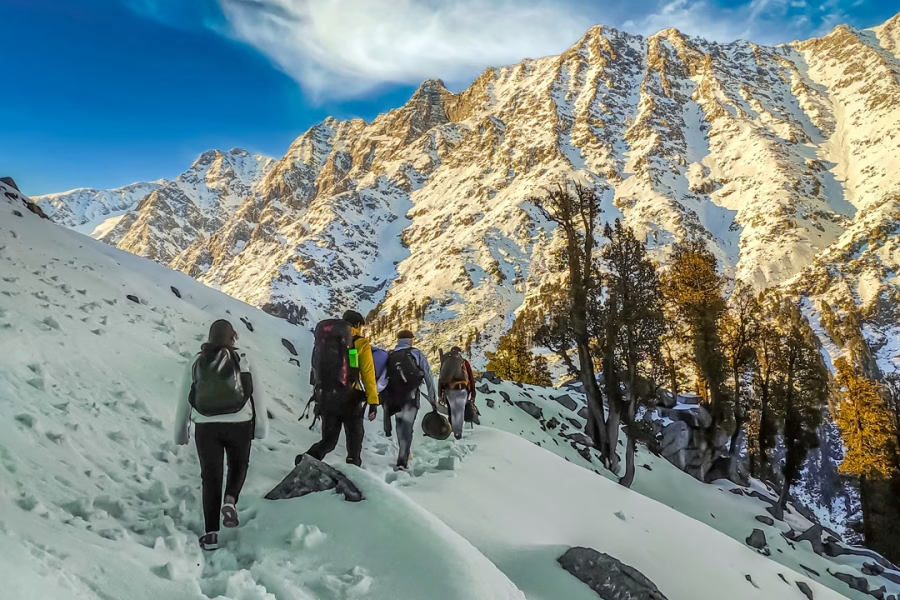
A Spiti winter trip is more than just a vacation; it is a journey into a high-altitude “white desert” that transforms into a monochromatic wonderland between December and March. Unlike the summer months, a winter expedition offers a rare chance to witness the Spiti Valley in its most raw and ethereal form. Travelers can expect vast landscapes draped in thick blankets of snow, frozen waterfalls like Lingti, and the surreal sight of the Spiti River partially iced over. This season is perfect for those seeking solitude away from the summer crowds, providing a deep sense of peace amidst the towering, snow-clad peaks of the Himalayas.
Planning a Spiti winter trip requires a specific approach to transportation. Because the Manali-Kaza route via Rohtang and Kunzum Pass remains closed due to heavy snowfall, the only reliable way to enter the valley is via the Shimla-Kinnaur road. This route, often referred to as the Hindustan-Tibet Highway, stays open year-round and allows for a gradual altitude gain, which is crucial for acclimatization. The journey takes you through scenic stops like Sangla, the “last village” of Chitkul, and the pine-clad heights of Kalpa, offering a stark contrast to the rugged, high-altitude cold desert of Spiti.
The extreme conditions of a Spiti winter trip demand careful preparation and a resilient mindset. Temperatures in Kaza and surrounding villages, such as Komic and Hikkim, can plummet to -30 °C at night. During this time, the valley experiences a “hibernation mode” where running water is unavailable due to frozen pipes, and traditional dry compost toilets become the norm. To ensure a safe trip, travelers must invest in heavy-duty layering, including high-quality thermals, down jackets, and insulated waterproof boots. Staying in local homestays is highly recommended, as they provide the warmth of traditional bukharis (wood-fired stoves) and an authentic glimpse into how the Spitian people thrive in one of the harshest environments on Earth.
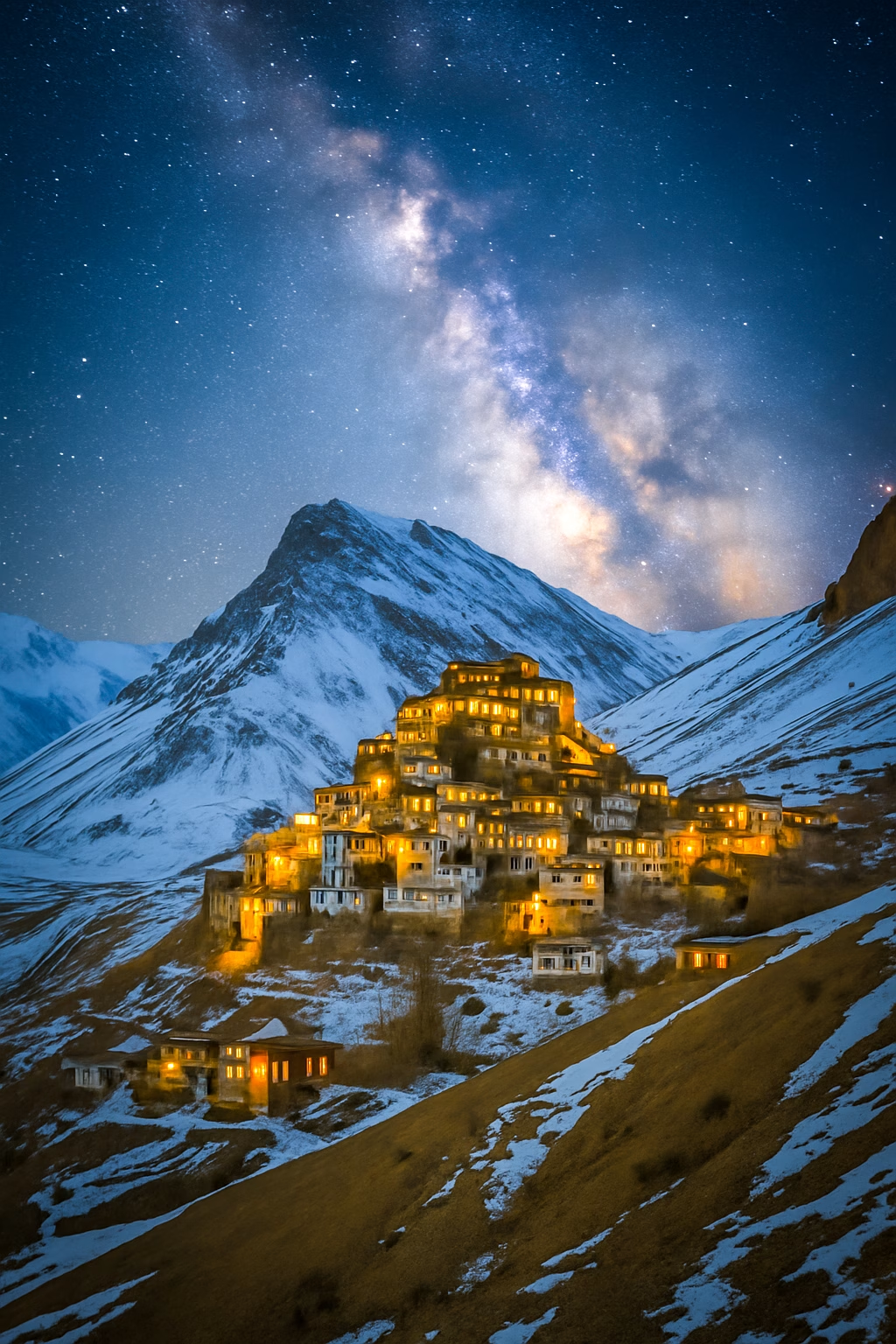
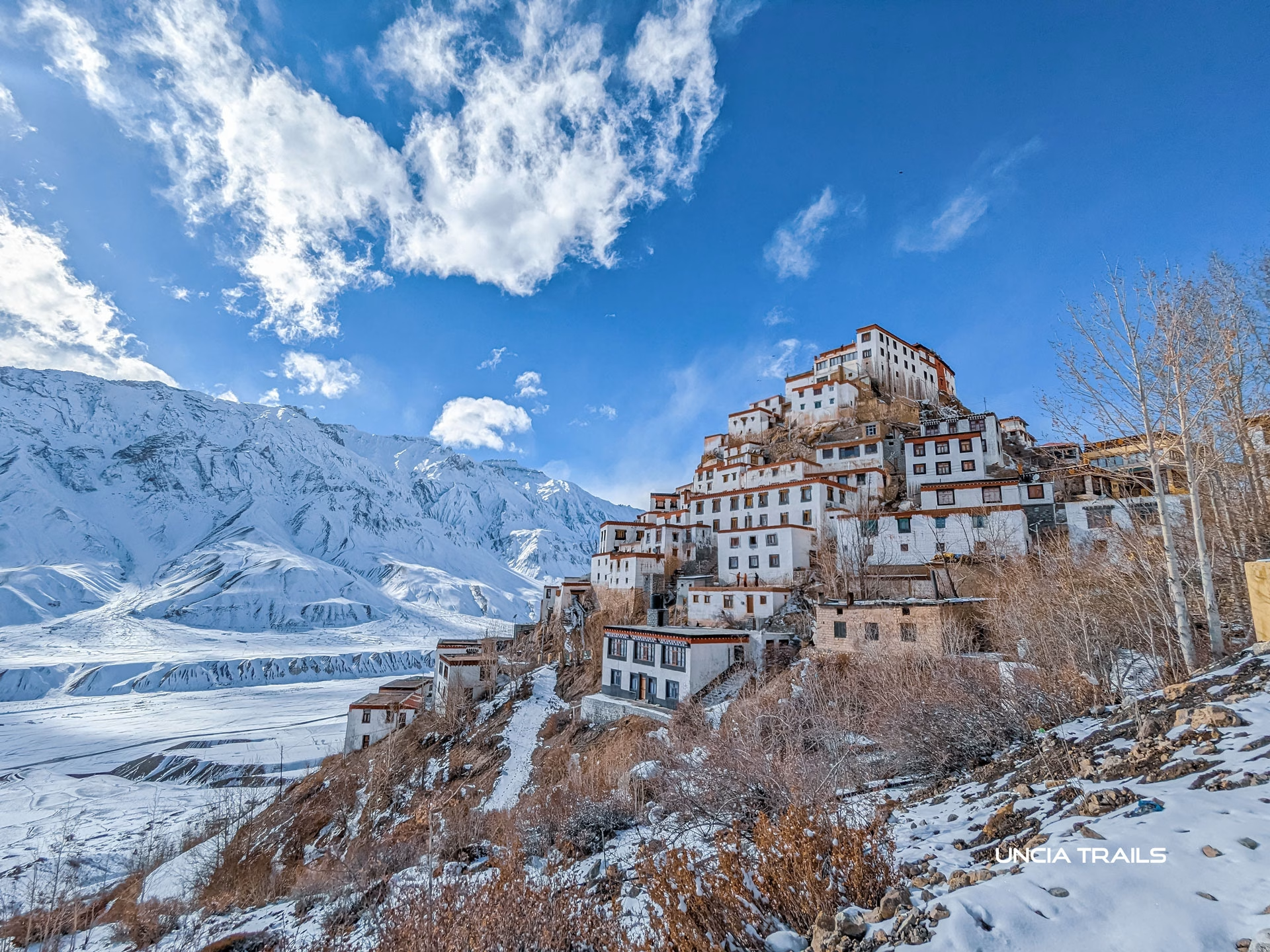
A Spiti winter trip is incomplete without exploring its ancient spiritual heritage and unique wildlife. The iconic Key Monastery, perched dramatically on a hill, looks like a fortress of white in the winter snow. Other must-visit spiritual sites include the 1,000-year-old Tabo Monastery and the “Mummy of Gue.” For adventure enthusiasts, winter is also the prime time for a Snow Leopard expedition. The region around Kibber and Chicham Bridge becomes a hotspot for spotting the “Ghost of the Mountains.” Whether you are sending a postcard from the world’s highest post office in Hikkim or photographing the giant Buddha statue in Langza, the winter charm of Spiti offers a truly once-in-a-lifetime photography and cultural experience.
Would you like me to generate a table of the best months for a Spiti winter trip along with their expected temperatures?
Spiti Winter Trip offers a unique and challenging experience. Here are some highlights of a winter Spiti expedition:
Snow-Covered Landscapes
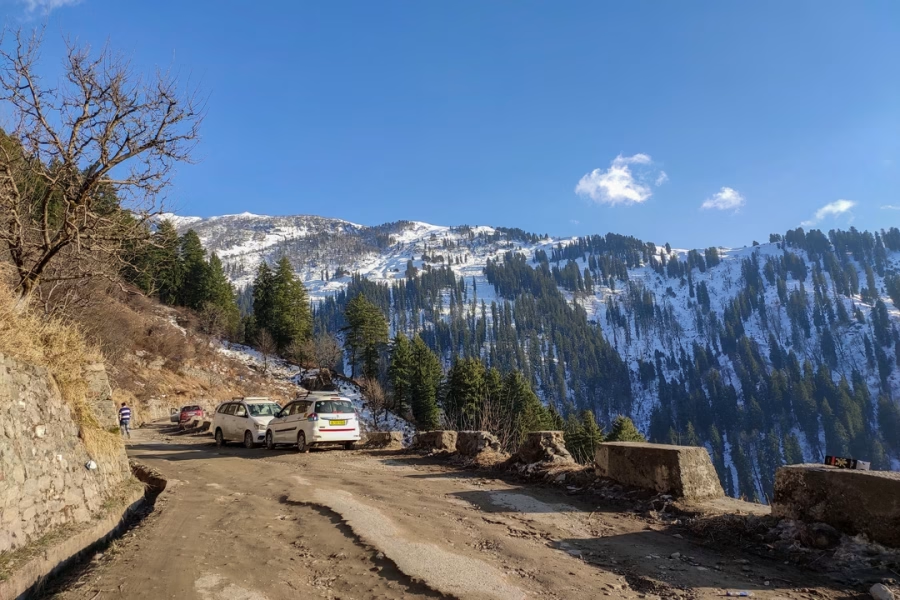
The valley is transformed into a winter wonderland with pristine snow covering the mountains, villages, and roads.
Frozen Lakes
Nako Lake and Chandrataal are usually frozen, creating picturesque settings for photography and exploration. However Chandrataal Lake remains closed during winters due to heavy snowfall.
Monasteries
Visit ancient monasteries like Key Monastery and Tabo Monastery, which look even more magical covered in snow.
Leave a review