

7 Days 6 Nights
Daily Tour
12 people
___
| Double Sharing | ||
|---|---|---|
| ADULT | CHILD | INFANT |
| ₹26,999.00 | ₹0.00 | ₹0.00 |
| Triple Sharing | ||
| ADULT | CHILD | INFANT |
| ₹26,499.00 | ₹0.00 | ₹0.00 |
| Solo | ||
| ADULT | CHILD | INFANT |
| ₹32,999.00 | ₹0.00 | ₹0.00 |
Dist: 10 km to 12 km | Altitude: 3300 m to 2600 m
Dist: 70 km to 90 km | Altitude: 3300 m to 2600 m.
Dist: 160 km | Altitude: 3500 m to 5354 m
Dist: 160 km (to and fro) | Altitude: 3048 m to 3001 m
Dist: 200 km | Altitude: 3100 m to 4814 m
Dist: 150 km | Altitude: 3215 m to 5362 m
Checkout: 10:00 am
We understand that plans can change, but the booking amount is non-refundable due to the costs we incur in preparing for your tour or activity. If you wish to reschedule for a different date, we'll adjust it to the same package, providing you with the necessary flexibility.
If you have paid the total amount but cancelled the package. You will be provided with a refund, as mentioned below:
Tours or activities may be cancelled due to unforeseen events beyond our control, such as weather conditions like heavy rain or storms, or government restrictions like sudden closures of specific areas. In such a scenario, we will provide an alternate tour or activity. However, no refunds will be provided.
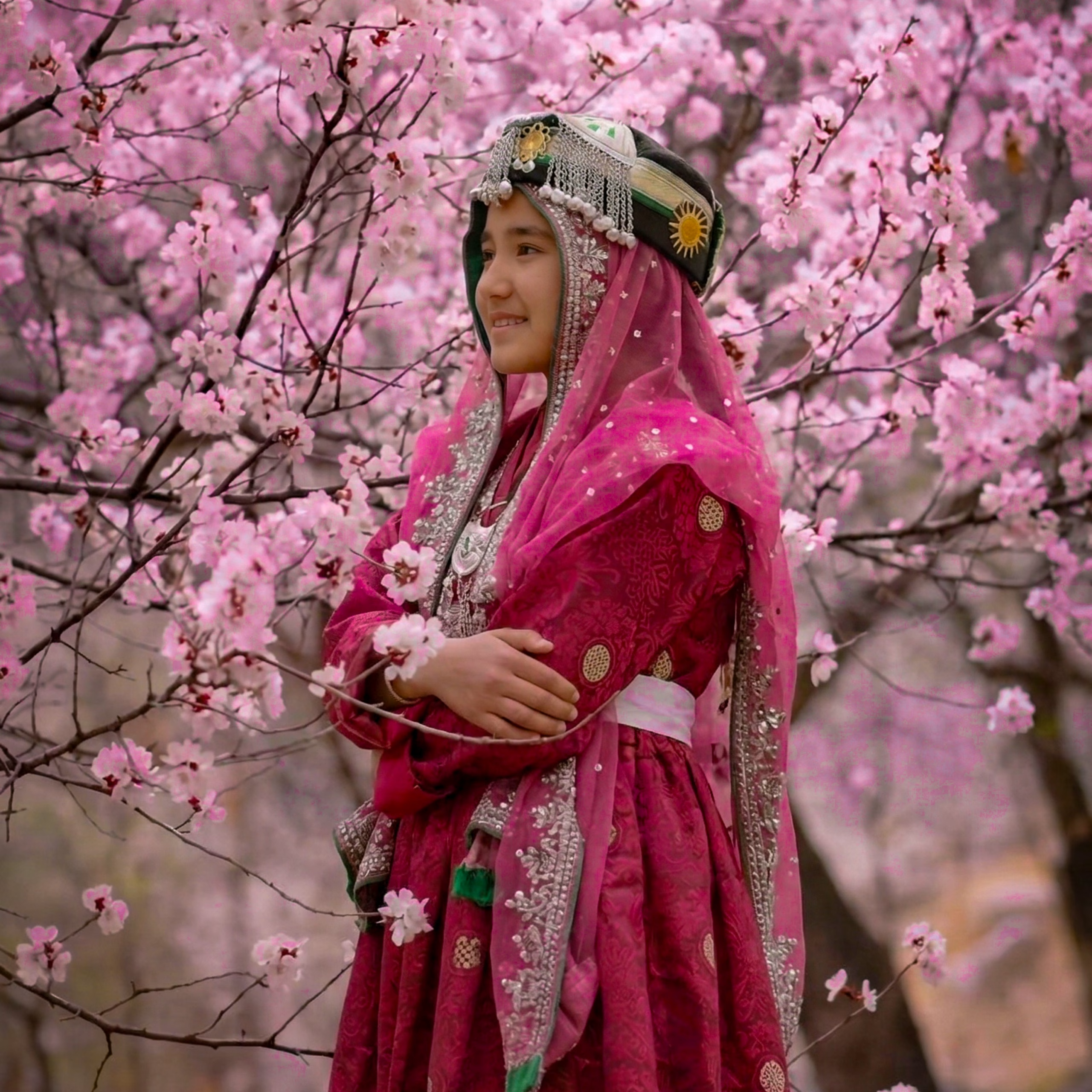
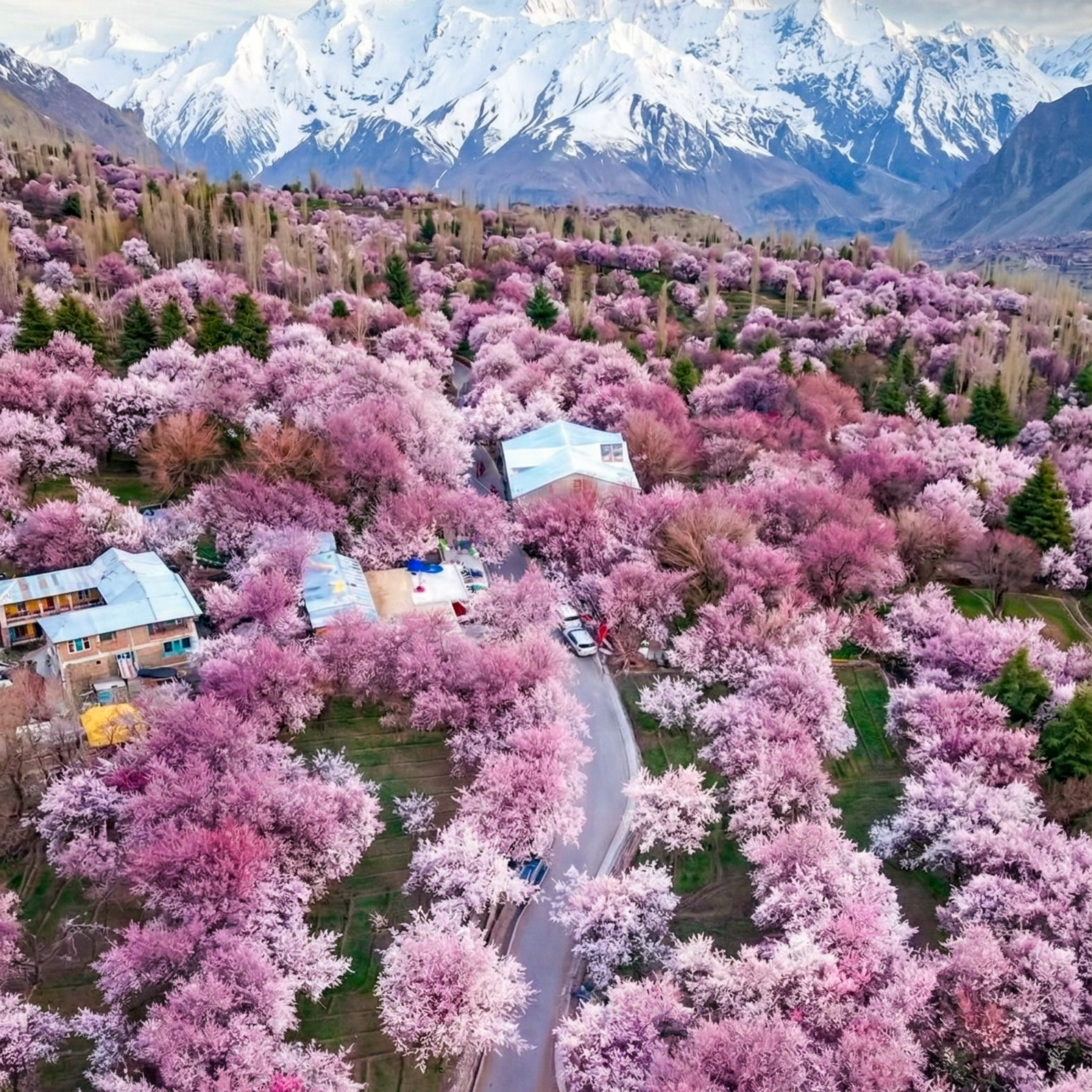
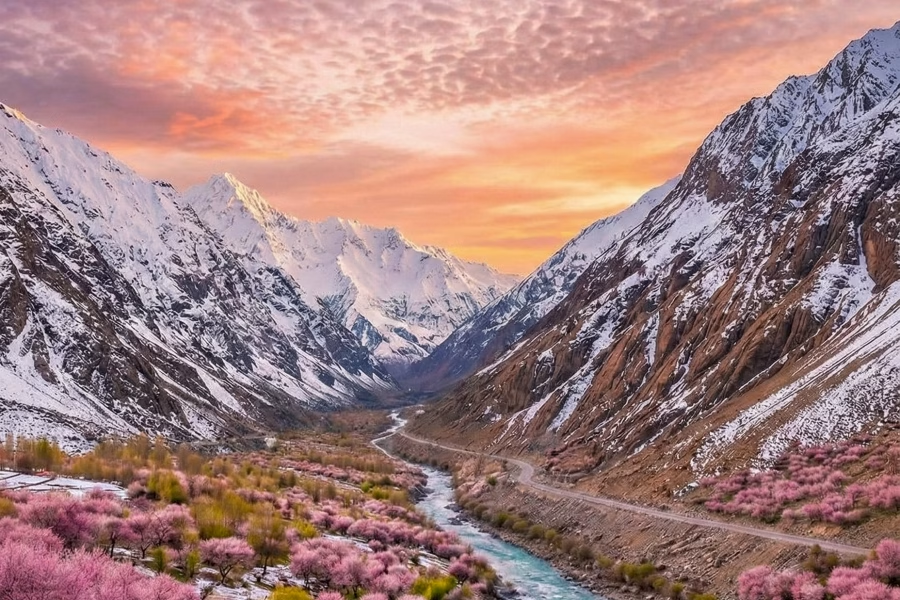
Long before it became a renowned hub for high-altitude adventure, Ladakh was a vital artery of the ancient Silk Route. Today, one of the most beautiful living remnants of that era is the breathtaking Ladakh Apricot Blossoms Tour Festival. If you are looking to experience a softer, more vibrant side of the rugged trans-Himalayas, timing your visit for this spring bloom is an absolute must.
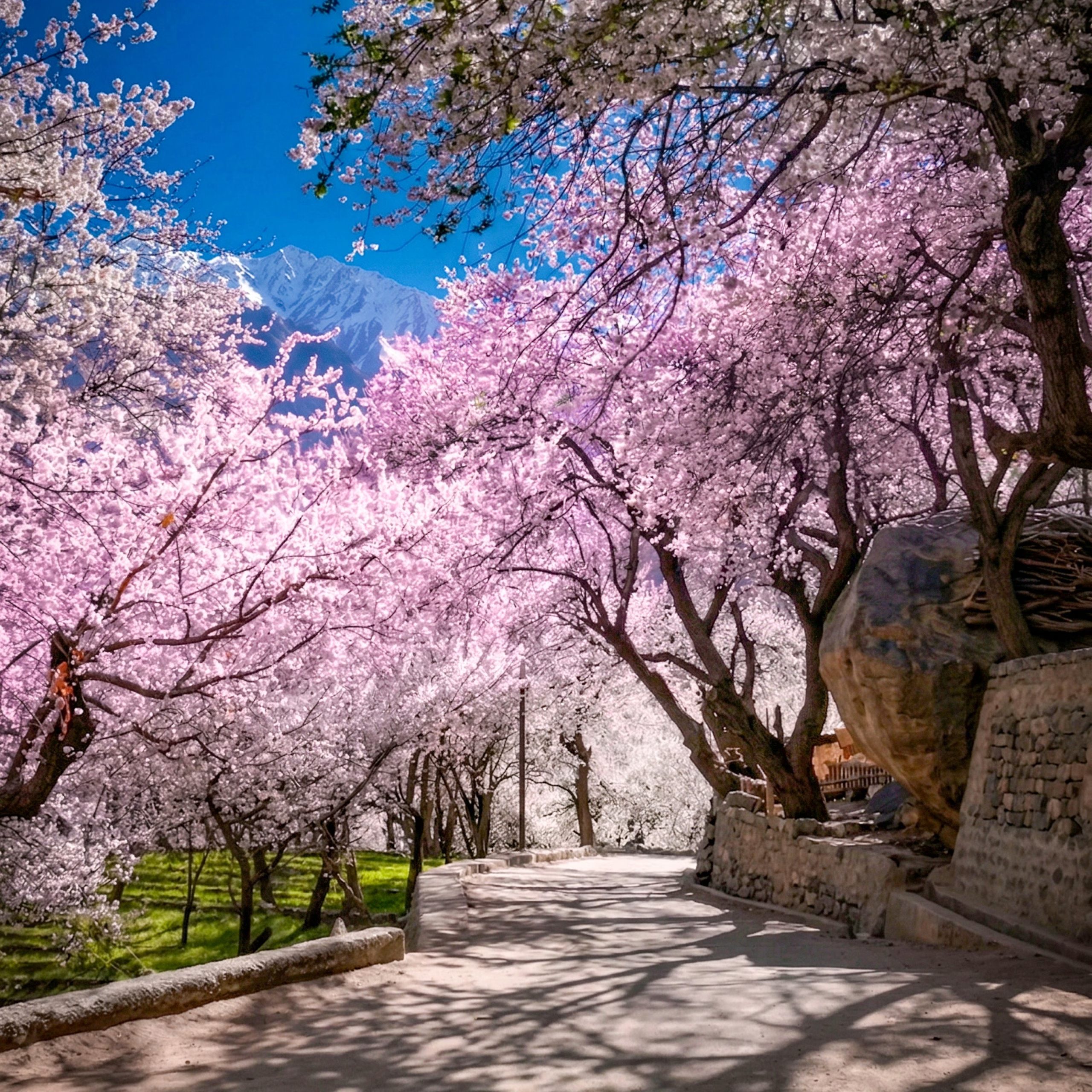
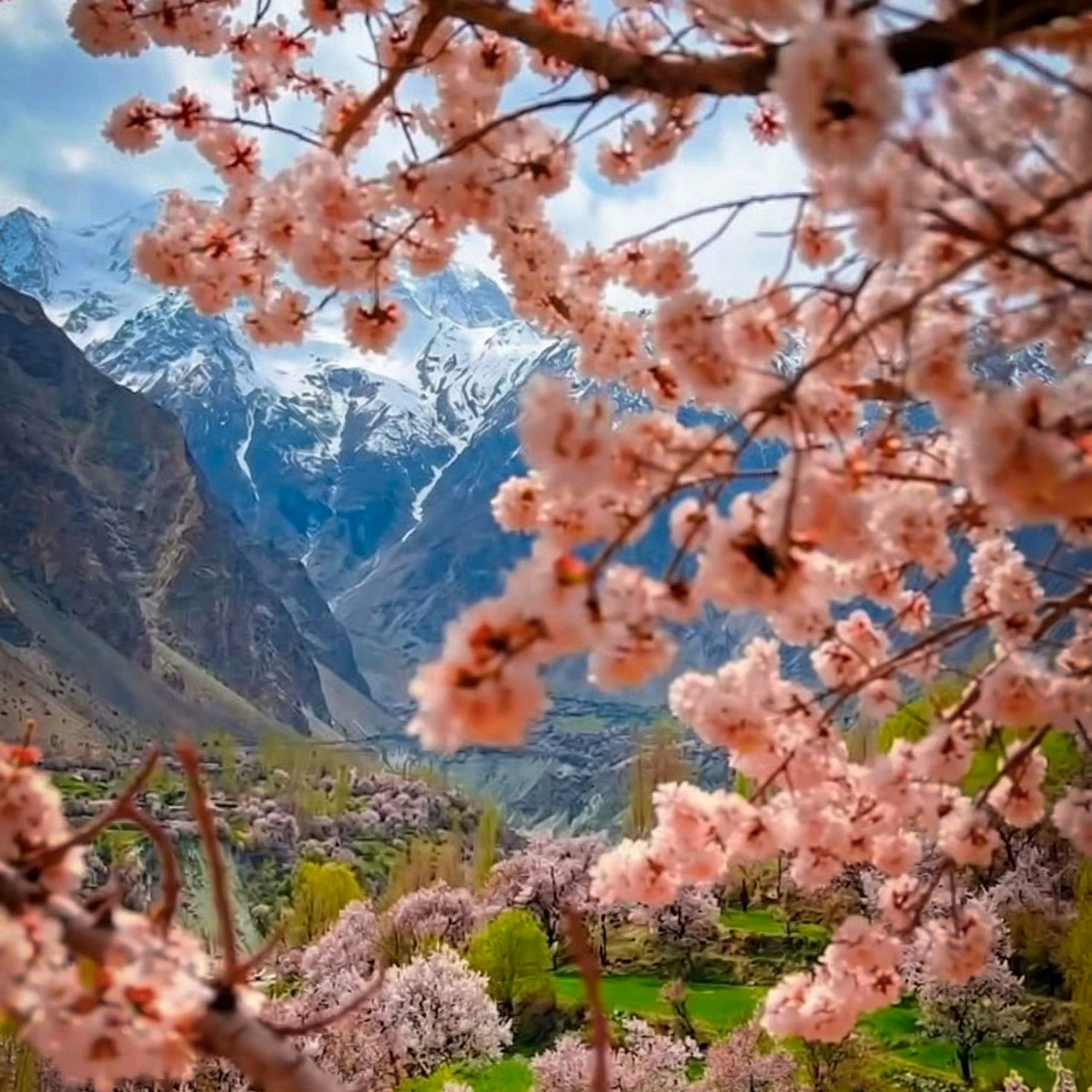
Known locally as Chuli Metok (“Chuli” meaning apricot and “Metok” meaning blossom), this festival is much more than just a visual spectacle. It is a profound cultural celebration that marks the end of the gruelling Himalayan winter and the beginning of the brief agricultural season. During this time, the barren, lunar-like landscapes are completely transformed by a delicate canopy of pink and white flowers.
The blooming sequence is highly dependent on altitude, meaning the festival is decentralised across different regions. Here are the top places to catch the magic:
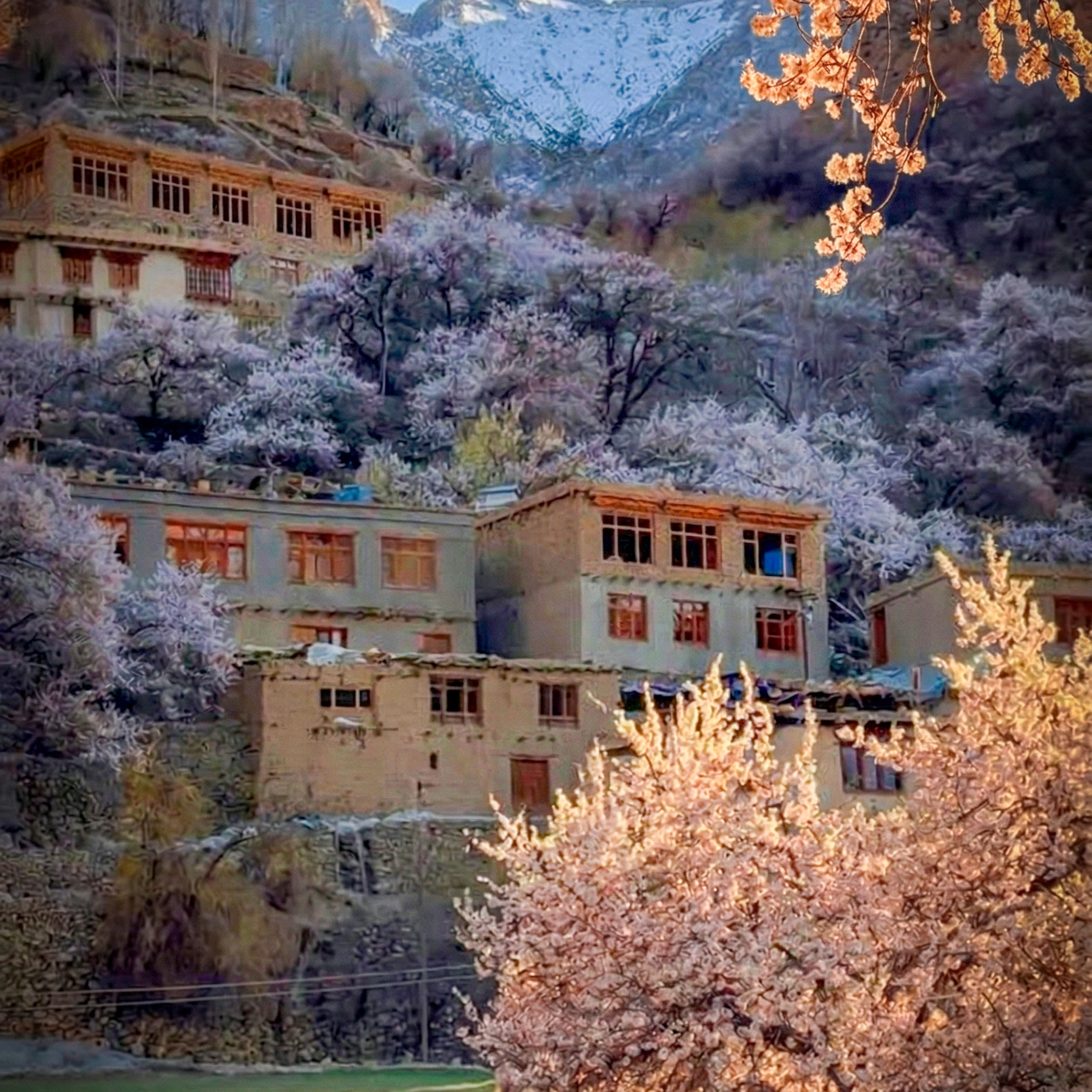
Turtuk (Nubra Valley): Known as the last village of India on the Indo-Pak border, Turtuk is heavily renowned for its premium apricots. Visitors can spend the day exploring the picturesque village on foot, sunbathing by the Shyok River, and diving into the rich local culture at the Balti Museum.
Sham Valley: The lower Ladakh region is typically one of the earliest to bloom. Villages like Alchi, Saspol, and Takmachik are fantastic, deeply traditional spots for celebrating the apricot festival.
Catching the short blooming window (usually between early and late April) requires precise logistical planning. Because many of these prime viewing locations lie in sensitive border zones, securing the right permits and accommodations is crucial. At Uncia Trails, we specialise in crafting immersive, perfectly timed itineraries so you can experience the magic of Chuli Metok without the stress of navigating high-altitude logistics.
Pack your bags, bring your camera, and get ready to witness the Himalayas in full bloom!
There is no single date. The Department of Tourism, Ladakh, usually announces a rolling schedule of events spanning two to three weeks from early to late April, matching the natural blooming cycles of different valleys. For the year 2026, these are the Dates for Different Valleys:
The tentative schedule for the Apricot Blossom Festivals 2026 in Leh District is as follows:
9th April 2026: Dha Bema
11th April 2026: Skurbuchan (Sham valley)
14th April 2026: Tykshi (Turtuk)
16th April 2026: Tyger (Nubra)
Kindly note that the dates are provisional and may be revised depending on weather conditions.
ODOP stands for One District One Product. It is an initiative by the Government of India to foster balanced regional development. The Ladakh Raktsey Karpo Apricot is uniquely championed under this scheme to scale processing, improve packaging, and access international markets.
It is endemic to Ladakh and holds a Geographical Indication (GI) tag (awarded in 2022). It is globally recognised for its unparalleled sweetness (almost 20° Brix) and rare white seed coat, which also yields a highly nutritious edible kernel.
Yes, but with restrictions. Foreigners must travel in groups of two or more, accompanied by a local guide, and must hold a valid Protected Area Permit (PAP).

Leave a review