

Daily Tour
12 people
___
| Double Sharing | ||
|---|---|---|
| ADULT | CHILD | INFANT |
| ₹24,999.00 | ₹0.00 | ₹0.00 |
| Triple Sharing | ||
| ADULT | CHILD | INFANT |
| ₹24,499.00 | ₹0.00 | ₹0.00 |
| Solo | ||
| ADULT | CHILD | INFANT |
| ₹29,999.00 | ₹0.00 | ₹0.00 |
Dist: 10 km to 12 km | Altitude: 3300 m to 2600 m
Dist: 70 km to 90 km | Altitude: 3300 m to 2600 m.
Dist: 160 km | Altitude: 3500 m to 5354 m
Dist: 200 km | Altitude: 3100 m to 4814 m
Dist: 150 km | Altitude: 3215 m to 5362 m
Checkout: 10:00 am
We understand that plans can change, but the booking amount is non-refundable due to the costs we incur in preparing for your tour or activity. If you wish to reschedule for a different date, we'll adjust it to the same package, providing you with the necessary flexibility.
If you have paid the total amount but cancelled the package. You will be provided with a refund, as mentioned below:
Tours or activities may be cancelled due to unforeseen events beyond our control, such as weather conditions like heavy rain or storms, or government restrictions like sudden closures of specific areas. In such a scenario, we will provide an alternate tour or activity. However, no refunds will be provided.
Long before Ladakh became a staple of modern high-altitude adventure tourism, it was a vital artery of the ancient Silk Route. Traders navigating this rugged trans-Himalayan corridor brought with them Prunus armeniaca, the apricot. Today, Ladakh’s cold, arid climate serves as the perfect incubator for some of the world’s most unique apricot cultivars.
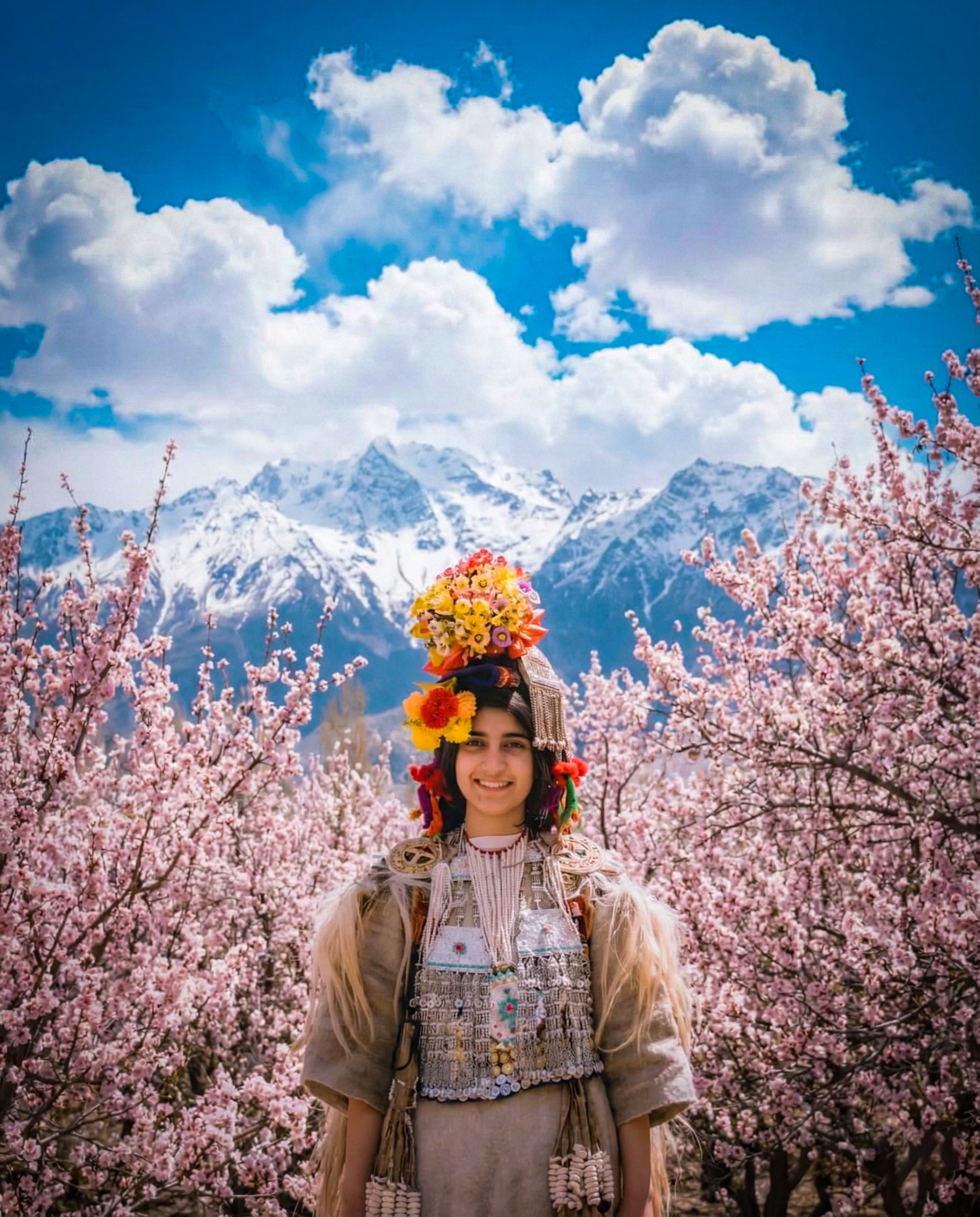
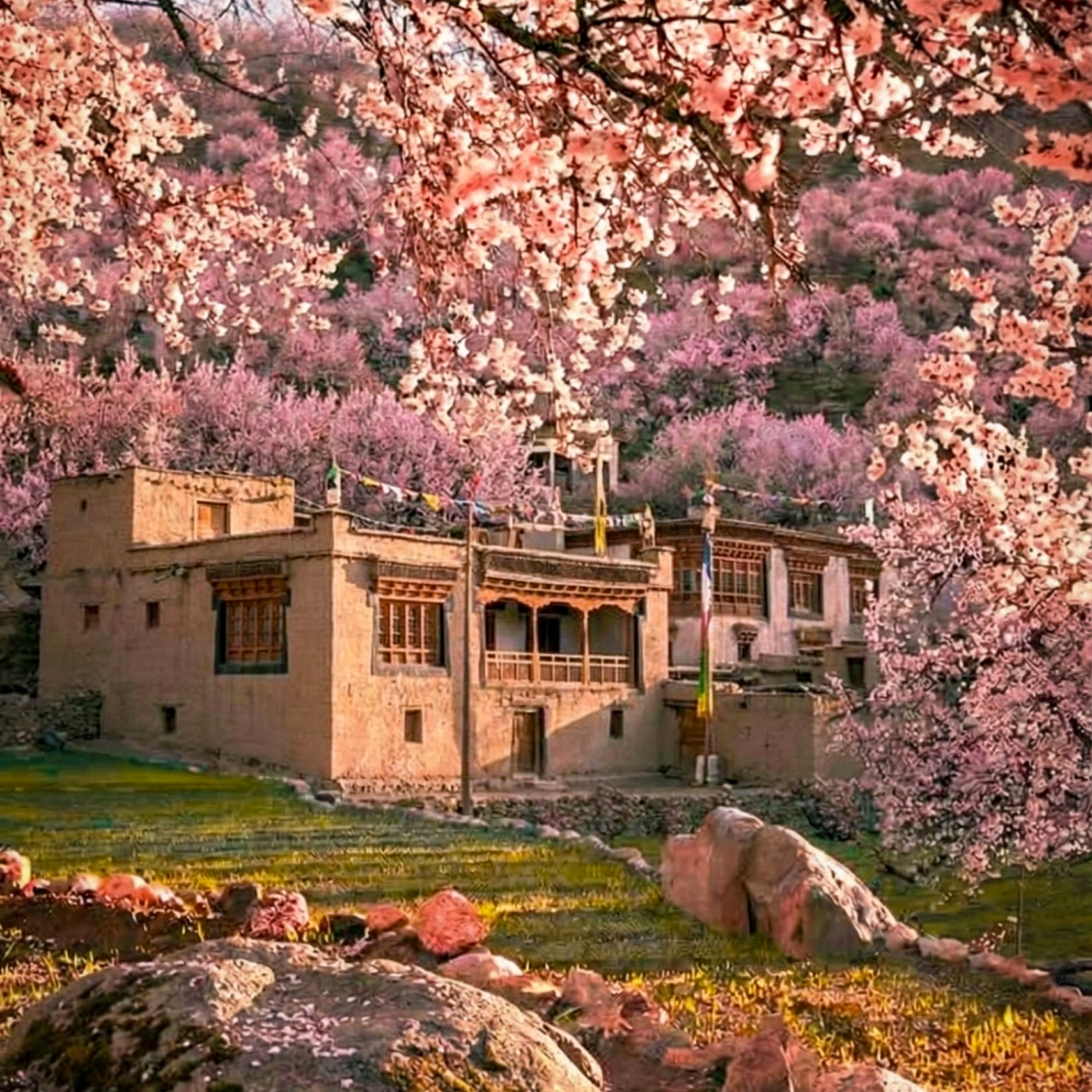
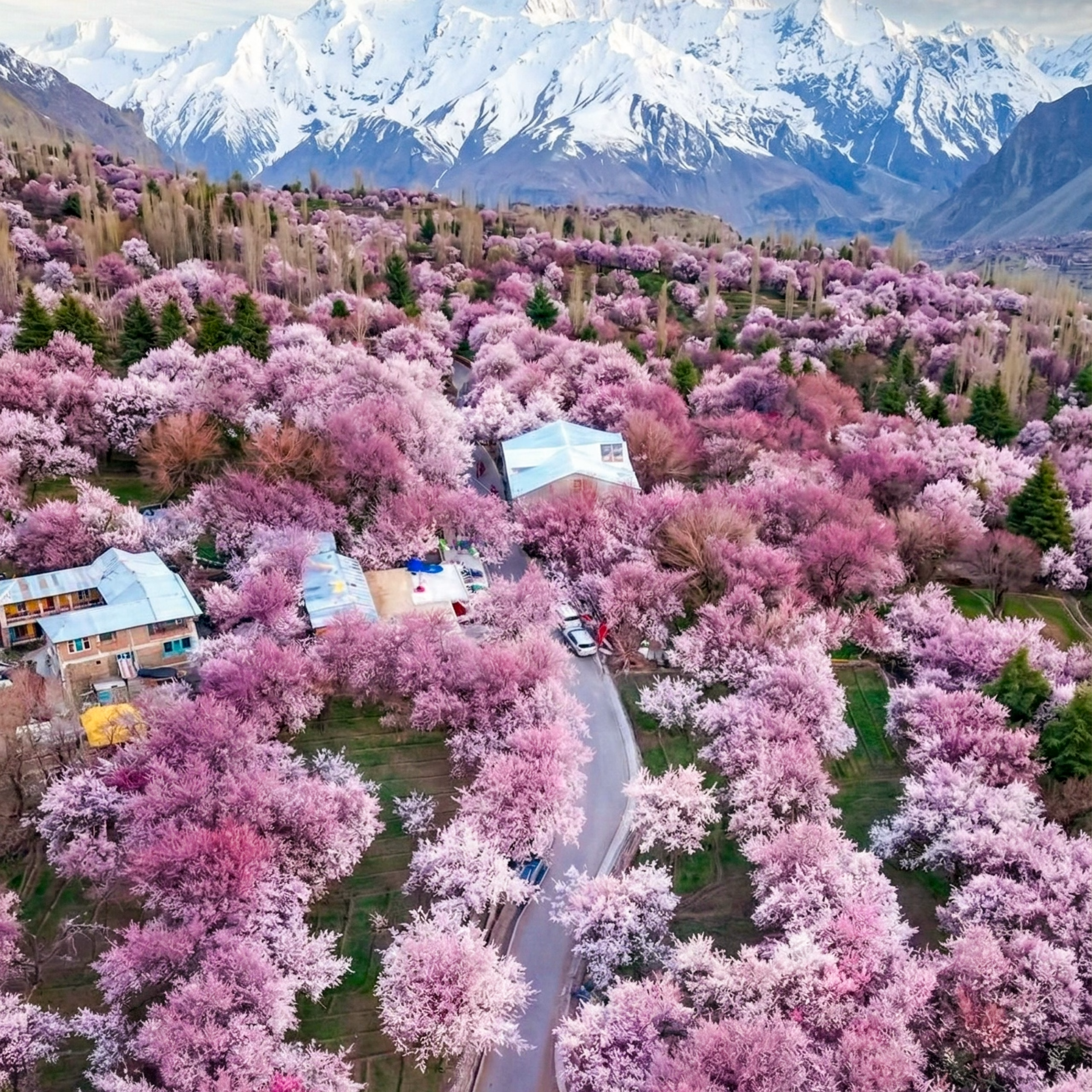
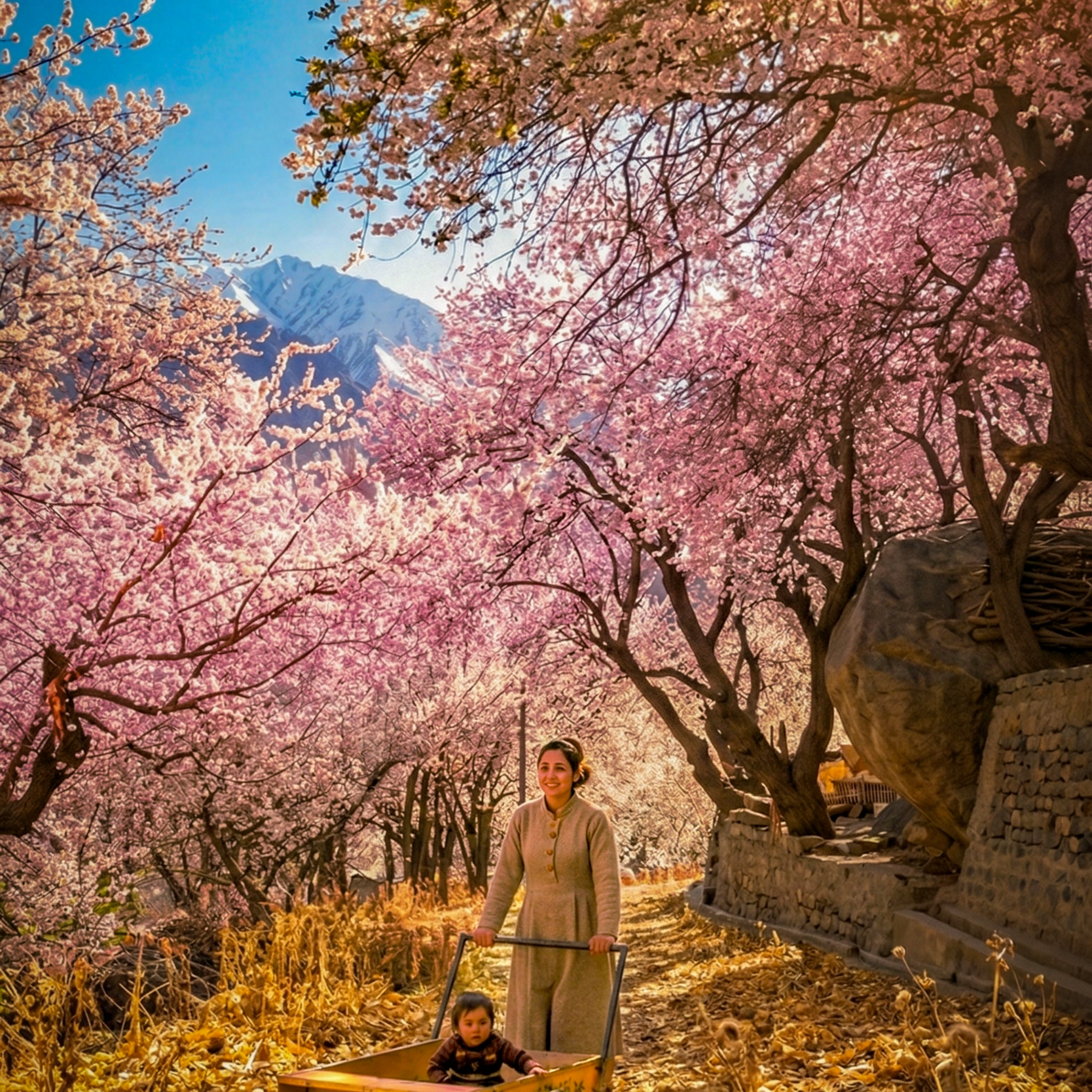
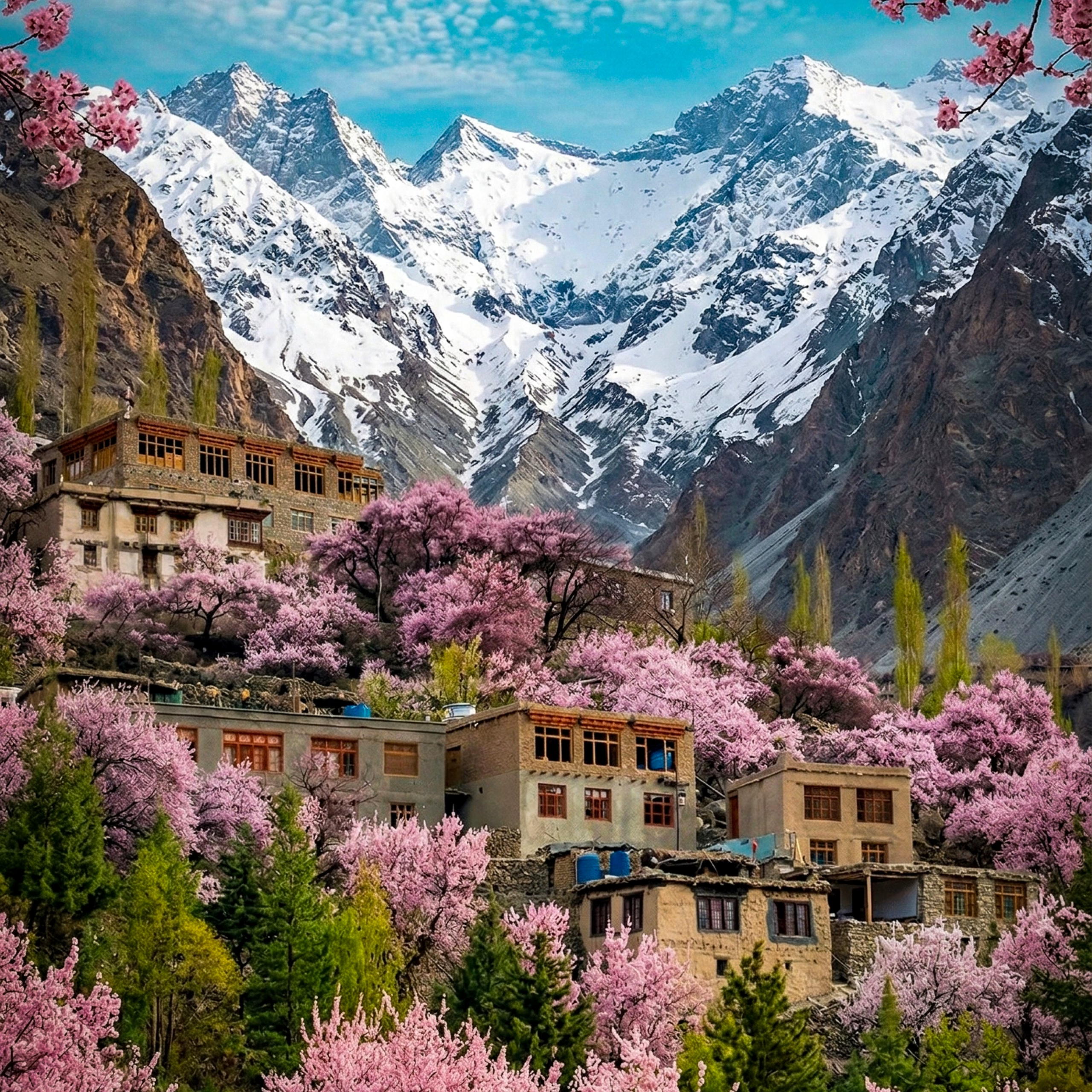
Every spring, the barren, lunar-like landscapes of the region are transformed by Chuli Metok (the local term for the Apricot Blossom Festival). This phenomenon is not merely a visual spectacle; it is a profound agricultural and cultural celebration deeply intertwined with the region’s indigenous heritage. For travellers and culture enthusiasts, timing a visit to witness Chuli Metok offers a rare, immersive look into Ladakh’s horticultural legacy and borderland communities.
“Chuli” is the Ladakhi word for apricot, and “Metok” translates to blossom. Held annually between early April and May, the festival marks the end of the gruelling Himalayan winter and the onset of the brief, intense agricultural season.
The introduction of the apricot to Ladakh over a century ago permanently altered the region’s socio-economic fabric. In northern outposts like Turtuk, a village nestled along the Shyok River near the Line of Control (LoC), the apricot is the lifeblood of the local Balti culture.
The Balti people, of Tibetan and Persian descent, have preserved ancient, sustainable farming techniques to cultivate these orchards. Utilising yuraq (traditional glacial water irrigation channels), they harvest apricots for survival and trade. From staple foods like prapu (apricot-infused local dishes) to cold-pressed chulli oil used in traditional cosmetics and medicine, the apricot is a central pillar of Balti identity and mountain resilience.
Ladakh is the undisputed capital of apricot production in India, accounting for over 60% of the nation’s yield. The region’s isolation has protected and nurtured specific genetic profiles that cannot be replicated elsewhere.
To boost the local economy and prevent post-harvest wastage, the Indian government has heavily integrated Ladakhi apricots into the ODOP (One District One Product) initiative, aiming to elevate Kargil and Leh’s agricultural exports on the global stage.
The two most prominent varieties dominating the festival and local economy are the Halman and the Raktsey Karpo.
| Feature | Raktsey Karpo | Halman |
| Geographical Indication (GI) | Granted official GI Tag in December 2022 | GI Tag is currently pending/applied |
| Defining Characteristic | Unique white seed coat | Standard brown seed coat |
| Sweetness (TSS Level) | Exceptionally high (~19.6° Brix) | High (~15.8° Brix) |
| Cultivation Focus | Endemic strictly to Ladakh; heavily promoted under ODOP | Widely cultivated and exported, particularly in Kargil |
| Primary Culinary Use | Eaten fresh; prized for high-value premium gifting | Staple for sun-drying, jams, and mass commercial use |
To experience Chuli Metok, tourists must venture beyond the capital city of Leh into the lower-altitude valleys where the climate permits early blooming. The festival is decentralised, with the Department of Tourism hosting cultural programs, traditional music (like the Daman and Surna), and local handicraft markets across various locations.
For travellers aiming to capture the Chuli Metok, precise logistical planning is mandatory due to the short blooming window and remote geography.
Ethical Tourism & Purchasing: Visitors are highly encouraged to buy directly from local farmers or ODOP-certified stalls. Purchasing sun-dried Raktsey Karpo apricots, chulli oil, and locally spun Pashmina directly injects capital into the local agro-economy.
There is no single date. The Department of Tourism, Ladakh, usually announces a rolling schedule of events spanning two to three weeks from early to late April, matching the natural blooming cycles of different valleys. For the year 2026, these are the Dates for Different Valleys:
The tentative schedule for the Apricot Blossom Festivals 2026 in Leh District is as follows:
9th April 2026: Dha Bema
11th April 2026: Skurbuchan (Sham valley)
14th April 2026: Tykshi (Turtuk)
16th April 2026: Tyger (Nubra)
Kindly note that the dates are provisional and may be revised depending on weather conditions.
ODOP stands for One District One Product. It is an initiative by the Government of India to foster balanced regional development. The Ladakh Raktsey Karpo Apricot is uniquely championed under this scheme to scale processing, improve packaging, and access international markets.
It is endemic to Ladakh and holds a Geographical Indication (GI) tag (awarded in 2022). It is globally recognised for its unparalleled sweetness (almost 20° Brix) and rare white seed coat, which also yields a highly nutritious edible kernel.
Yes, but with restrictions. Foreigners must travel in groups of two or more, accompanied by a local guide, and must hold a valid Protected Area Permit (PAP).




Leave a review